独创新医正骨非药物内病外治疗法临床理论
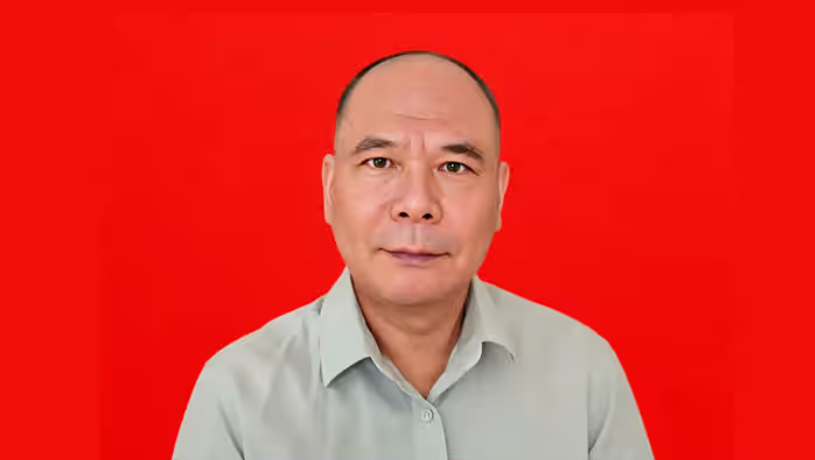
作者:邓承基
引言
传统中医正骨长久以来多聚焦于颈肩腰腿痛、关节错位等筋骨外伤病症,诊疗边界局限于躯体外在损伤。现代临床实践发现,大量内科慢性病、功能性疾病,常常伴随脊柱力学失衡、经筋拘挛、经络气机阻滞等躯体结构性病变,单纯依靠内服药物调理脏腑,仅能缓解表象,难以切断疾病反复发作的根源。内服药物存在脾胃代谢负担、长期用药产生耐受、部分人群不耐受等现实局限,探索安全有效的非药物诊疗路径,成为中医药临床创新发展的重要方向。
立足于中医整体观念、筋骨理论、经络学说,融合现代脊柱生物力学、神经解剖相关认知,经过长期临床实践总结,逐步形成独创新医正骨非药物内病外治疗法体系。该疗法突破传统正骨只治骨病、内病依靠服药的固有认知,建立 “结构失衡为因、脏腑失调为果,外调筋骨以安内腑” 的全新诊疗逻辑。疗法全程不依赖内服药物,依靠规范化正骨理筋手法作用于人体体表筋骨、脊柱关节,通过纠正骨错缝、理顺筋结、疏通经络通道,调节神经传导、改善全身气血循环,以此干预各类脏腑功能性疾患,实现内病外治。本文系统梳理该疗法的理论渊源、核心病机认知、作用机制、临床诊疗原则与实践价值,为中医正骨拓展内科疾病诊疗应用提供理论支撑。
一、传统诊疗模式的局限与疗法创立背景
中医学历来倡导内病外治,古籍记载众多外敷、熏蒸、推拿等外治手段,但以往外治技术大多侧重于穴位刺激、药力透皮吸收,缺少从人体整体骨架结构层面认识内科疾病。常规正骨体系普遍将诊疗目标限定于运动系统损伤,忽视脊柱、骨盆等中轴骨骼错位持续干扰脏腑功能这一关键病机。
从现代临床现状分析,诸多常见内科病症,例如功能性胃肠紊乱、不明原因眩晕、顽固性失眠、心律不稳、慢性咳喘、代谢失调、妇科功能性疾患等,多数患者各项理化检查无明确器质性病灶,长期服药仅能阶段性控制症状,停药后极易复发。究其缘由,此类疾病并非单纯脏腑自身病变,而是脊柱椎体微小位移、骨盆力线偏移,牵拉周围软组织持续痉挛,刺激脊神经与交感神经链,持续干扰对应脏腑的神经调节功能。同时骨骼错位造成经筋张力失衡,阻滞督脉、膀胱经等核心经脉气血运行,脏腑得不到充足气血濡养,形成 “结构异常 — 经络瘀堵 — 脏腑功能紊乱” 的恶性循环。
药物治疗可以调节脏腑气血虚实,却无法矫正已经形成的骨骼错位与软组织慢性粘连,难以打破循环病机。在此背景下,独创新医正骨非药物内病外治疗法逐步成型。疗法整合传统正骨手法精髓,吸收脊柱相关疾病研究成果,摒弃单纯依靠药物干预内腑的思路,把人体筋骨结构平衡作为调理脏腑疾病的切入点,构建纯粹非药物的外治方案,拓宽中医正骨的临床适用范围。
二、独创新医正骨非药物内病外治核心基础理论
2.1 骨正筋柔、经络通达,脏腑自安核心病机学说
中医认为,骨为支架,筋为联结,经络通行于筋骨之间,内连五脏六腑,外布四肢百骸。人体正常生理状态下,骨骼排列规整,筋肉张力均衡,经络气血顺畅输布,脏腑各司其职。一旦遭受劳损、外伤、不良姿势、风寒侵袭等诱因,即可出现椎体移位、关节缝隙异常,也就是中医所说 “骨错缝”;错位持续牵拉软组织,筋膜、肌肉持续紧张痉挛,逐步形成筋结,即为 “筋出槽”。
筋骨失衡直接造成两大病理变化。其一,物理层面压迫、刺激穿行其间的神经、血管,局部气血运行受阻;其二,阻滞经络通道,气机升降出入失常。脊柱为督脉循行主干道,膀胱经背俞穴分布于脊柱两侧,对应全身各个脏腑。脊柱任何节段发生错位,都会影响背俞穴气机,持续干扰对应脏腑功能。也就是说,筋骨结构失调不仅仅引发疼痛,更是众多功能性内科疾病重要发病源头。
独创新医正骨遵循 “先正骨、再理筋,筋骨同调” 原则,运用轻柔精准的正骨手法纠正椎体、骨盆错位,恢复骨骼正常力线;配合理筋手法松解粘连筋结,解除软组织异常张力。筋骨恢复稳态,经络通道自然疏通,气血能够正常濡养脏腑,人体自身调节机制启动,脏腑功能紊乱逐步改善,实现不治腑而腑自和,不用药而病自调。
2.2 脊柱内外平衡失调与脏腑功能联动理论
人体脊柱存在内在平衡与外在平衡。内在平衡依靠椎体、椎间盘、小关节维持序列稳定;外在平衡依靠周围肌肉、筋膜、韧带等软组织维系。内外平衡相互依存,一旦平衡被打破,出现单节段或者多节段椎体位移,不仅诱发颈肩腰腿痛,还会产生全身性影响。
脊神经自脊柱椎间孔发出,支配躯体感觉与运动,同时交感神经干沿着脊柱两侧纵向分布,广泛支配胸腔、腹腔各类内脏器官。椎体微小位移可造成椎间孔空间改变,持续刺激神经根与交感神经,引发神经调节功能紊乱。胸椎上段失衡容易诱发心慌、胸闷、失眠、头晕;胸椎中下段错位常造成胃胀、嗳气、消化不良、肠功能紊乱;腰骶椎、骨盆力线异常,多关联泌尿、生殖系统功能性病症。
很多内科疾病患者就诊时并不存在明显颈腰疼痛,容易忽略脊柱问题。本疗法理论着重提出,无症状性椎体错位同样可以持续诱发脏腑疾患,疼痛仅仅是结构失衡发展到一定阶段出现的信号。诊疗不能只关注患者主诉的内科症状,必须全面评估全脊柱与骨盆力学状态,找到结构性病根,通过正骨恢复脊柱内外平衡,消除神经持续异常刺激,从根源改善脏腑功能紊乱。
2.3 非药物外治的机体自愈调控机制
药物治病,依靠外来物质直接干预机体病理状态;正骨非药物疗法,重在消除致病障碍,唤醒人体自愈能力。骨骼错位、筋肉粘连、经络瘀堵,相当于人体自愈系统运转道路上的障碍。正骨手法属于物理性良性力学刺激,不存在药物带来的毒副作用与脏腑代谢负担。
手法作用具备多层次调节作用。首先,精准复位解除骨骼对神经、血管的机械刺激,快速改善局部微循环,加快代谢废物排出,减轻慢性无菌性炎症。其次,力学刺激通过筋膜、经络传导至内在脏腑,调节自主神经兴奋性,恢复交感与副交感神经平衡。再者,经络疏通之后,气血有序运行,提升组织供氧与营养输送,增强机体免疫调节能力。整套调节过程依托人体自身生理系统完成,外力仅起到疏通、矫正、引导作用,契合中医扶正祛邪的治疗思想。
同时,疗法坚持辨证施治,区分虚实标本。病程较短、以筋骨阻滞、气机壅滞为主者,以正骨疏通为核心;久病体虚、气血不足人群,正骨手法宜轻柔,减少强刺激,配合体态导引,循序渐进调整结构,避免手法耗伤正气,实现标本兼顾。
三、独创新医正骨诊疗体系实施原则与技术规范
3.1 整体辨证,筋骨与脏腑同诊原则
区别于普通正骨局限于局部痛点检查,本疗法建立全身综合辨证模式。诊疗分为两个维度,一是筋骨结构诊察,依靠规范触诊结合影像学参考,评估颈椎、胸椎、腰椎、骶髂关节、骨盆序列,判断椎体偏移方向、筋结分布、软组织张力差异;二是脏腑辨证,采集患者内科症状、饮食睡眠、二便、舌象信息,将脏腑病症与脊柱病变节段相互对应,明确二者内在关联,判定疾病标本主次。
临床当中常有同一脏腑病症,脊柱病变位置不尽相同;同一节段脊柱错位,在不同体质人群身上表现出不同内科症状。因此禁止套用固定标准化手法模板,坚持一人一方、一人一法,根据辨证结果确定正骨顺序、手法力度、治疗频次。
3.2 稳、准、轻、巧的安全施治原则
作为面向内科慢性病群体的疗法,患者大多体质偏弱,长期受疾病消耗,耐受度有限。疗法严格恪守轻柔微创操作理念,杜绝蛮力扭转、粗暴发力。正骨手法追求借力复位,依靠力学角度调整实现关节归位,最大限度降低治疗风险。治疗顺序遵循 “先松解、后正骨”,先用理筋手法放松痉挛肌群,降低关节周围张力,再实施正骨复位,防止强行操作造成软组织损伤。单次治疗不强求一次性完全矫正,采取分次调衡方案,循序渐进恢复脊柱整体力线,契合慢性病缓慢修复的客观规律。
3.3 防治结合,重视后期稳态巩固原则
筋骨结构矫正完成之后,如果日常姿势、生活习惯没有改善,极易再次发生椎体错位,造成疾病复发。因此完整诊疗流程包含手法调理与功能养护两大板块。每次治疗结束后,根据患者脊柱失衡类型,针对性教授简易体态导引、筋膜拉伸方法,指导患者纠正久坐、低头、侧卧歪身等不良姿势,强化脊柱周边核心肌群力量,依靠自身肌肉力量维持骨骼稳定,构建长效防护机制,降低复发概率,实现治疗与养护一体化。
四、疗法临床适用范围与优势分析
独创新医正骨非药物内病外治疗法拥有广阔的内科疾病应用场景。在消化系统,可以调理功能性消化不良、肠易激综合征、慢性腹胀嗳气;在心神经系统,可干预颈源性眩晕、顽固性失眠、自主神经功能紊乱、不明原因胸闷心悸;同时对慢性过敏性咳喘、慢性盆腔不适、内分泌代谢紊乱相关功能性病症具备良好调理效果。对于长期服药效果有限、不愿持续服用药物、脾胃虚弱难以耐受内服中药西药的人群,该疗法具备突出优势。
对比药物治疗,本疗法全程非药物干预,不增加肝肾、脾胃代谢压力,适合长期慢性病调理;外治操作即时开展,适配更多年龄段人群;治疗兼顾治标与治本,既改善患者当下不适症状,又矫正引发疾病的结构性根源,减少病症反复。对比普通推拿理疗,疗法不止缓解局部肌肉紧张,着重纠正骨骼力学错位,打通神经与经络传导通路,实现由外及内调节脏腑,突破常规外治只能缓解疲劳的局限。
同时应当客观界定疗法适用边界。该疗法主要针对各类脊柱失衡诱发的功能性内科疾患。对于脏器严重器质性病变、肿瘤、严重感染、出血性疾病等,不单独作为主治方案,需要配合规范专科诊疗,严格把握适应症与禁忌症,坚守中医临床安全底线。
五、疗法学术创新价值与发展展望
独创新医正骨非药物内病外治疗法,是传统正骨学术思想的延伸与创新,打通 “筋骨结构 — 经络气血 — 脏腑功能” 的理论通道,弥合骨伤学科与内科疾病诊疗之间的理论鸿沟。长久以来,中医骨伤科与内科诊疗体系相对独立,本疗法证明筋骨结构性病变是众多功能性内科病不可忽视的重要诱因,推动中医整体观在临床落地实践,丰富中医内病外治理论体系。
从行业发展角度,非药物绿色诊疗是中医药发展重要方向。随着大众健康理念转变,越来越多人追求低损伤、无药物依赖的调理方式。该疗法依托成熟正骨技术,不需要复杂医疗设备,易于规范化传承推广,适合基层中医医疗机构开展,能够丰富基层慢性病非药物干预手段。
当前理论与实践依旧存在持续完善空间。后续临床工作中,需要持续开展病例总结,进一步梳理不同内科病症对应的脊柱病变规律,细化辨证分型与手法方案;建立长期随访机制,研究手法干预的远期疗效;推动正骨作用机制开展多层次探索,让传统正骨经验拥有更加完善的理论支撑,促进特色正骨技术规范化、科学化传承。
结语
独创新医正骨非药物内病外治疗法,根植于中医筋骨理论、经络学说,融合现代脊柱生物力学认知,建立 “筋骨失衡为源,脏腑失调为果,外调筋骨以安内腑” 的完整临床理论体系。疗法打破正骨仅治筋骨伤痛、内科疾病必用汤药的传统思维,以非药物正骨理筋为手段,纠正脊柱与全身骨骼力学失衡,松解经筋瘀阻,疏通经络气血,消除神经异常刺激,调动人体自身自愈能力,实现内病外治。
该疗法安全温和,适用多种脊柱相关功能性内科疾病,规避长期服药带来的负担,兼具临床实用性与学术创新性。在绿色医疗、慢病综合调理需求不断增长的时代背景下,坚持辨证施治、筋骨同调、防治并举的原则,持续优化手法规范,总结临床诊疗规律,能够不断释放特色正骨技术的价值。持续传承、完善、推广独创新医正骨非药物内病外治疗法,可为中医药非药物诊疗体系拓展新路径,为众多反复发作的功能性慢性病提供全新的诊疗思路,助力中医特色外治技术高质量发展。
Clinical Theory of Deng's Innovative Tuina Orthopedic Non-pharmacological External Therapy for Internal Diseases
Author: Deng Chengji
Introduction
Traditional Chinese orthopedic manipulation has long been primarily focused on musculoskeletal injuries of the tendons and bones, such as neck, shoulder, waist and leg pain as well as joint dislocation, with its diagnostic and therapeutic scope limited to external somatic injuries. Modern clinical practice has revealed that a large number of chronic internal medicine diseases and functional disorders are often accompanied by somatic structural pathologies including spinal biomechanical imbalance, constriction of the sinews and fascia, and stagnation of qi movement in the meridians. Solely relying on oral medication to regulate the zang-fu organs can only alleviate superficial symptoms, failing to cut off the root cause of recurrent episodes. Oral medication has inherent practical limitations such as the metabolic burden on the spleen and stomach, drug tolerance after long-term use, and intolerance in some populations. Exploring safe and effective non-pharmacological diagnosis and treatment approaches has become a critical direction for the innovative development of traditional Chinese medicine in clinical practice.
Grounded in the holistic concept of traditional Chinese medicine, the sinew-bone theory and meridian doctrine, and integrated with modern understandings of spinal biomechanics and neuroanatomy, a unique and innovative non-pharmacological external therapy for internal diseases based on Chinese orthopedic manipulation has been gradually formed through long-term clinical practice and summary. This therapy breaks through the inherent cognition that orthopedic manipulation only treats bone diseases and internal diseases must be treated with medication, establishing a brand-new diagnosis and treatment logic of "structural imbalance as the root cause, zang-fu dysfunction as the consequent manifestation, and externally regulating sinews and bones to calm the internal zang-fu". The entire therapy does not rely on oral medication, but uses standardized orthopedic and tendon-regulating manipulations to act on the body's surface sinews, bones and spinal joints. By correcting misaligned bones, unraveling knotted tendons, and unblocking meridian pathways, it regulates nerve conduction and improves systemic blood circulation, so as to intervene in various zang-fu functional disorders and achieve external treatment for internal diseases. This paper systematically sorts out the theoretical origin, core pathogenesis cognition, mechanism of action, clinical diagnosis and treatment principles and practical value of this therapy, providing theoretical support for Chinese orthopedic manipulation to expand its application in the diagnosis and treatment of internal diseases.
1. Limitations of Traditional Diagnosis and Treatment Modes and the Establishment Background of the Therapy
Traditional Chinese medicine has always advocated external treatment for internal diseases, and ancient books have recorded numerous external treatment methods such as external application, fumigation, and tuina. However, most previous external treatment technologies focused on acupoint stimulation and transdermal absorption of medicinal power, lacking the perspective of understanding internal diseases from the level of the overall human skeleton structure. Conventional orthopedic manipulation systems generally limit their diagnostic and therapeutic targets to sports system injuries, ignoring the key pathogenesis that continuous misalignment of the spine, pelvis and other central axis bones interferes with zang-fu functions.
From the perspective of modern clinical situations, many common internal medicine conditions, such as functional gastrointestinal disorders, unexplained vertigo, intractable insomnia, unstable heart rhythm, chronic cough and asthma, metabolic disorders, and functional gynecological disorders, most of the patients have no clear organic lesions in various physical and chemical examinations. Long-term medication can only control symptoms in stages, and the conditions are very prone to relapse after drug withdrawal. The reason is that such diseases are not simply caused by the zang-fu organs themselves, but result from tiny displacements of spinal vertebrae and offset pelvic force lines, which pull the surrounding soft tissues into continuous spasms, stimulate the spinal nerves and sympathetic nerve chains, and continuously interfere with the corresponding visceral nerve regulation functions. At the same time, bone misalignment causes imbalance in the tension of the sinews and fascia, blocking the qi and blood flow in the core meridians such as the Du Meridian and Bladder Meridian, so that the zang-fu organs cannot obtain sufficient qi and blood nourishment, forming a vicious cycle of "structural abnormality - meridian stasis - zang-fu functional disorder".
Medication can regulate the deficiency and excess of zang-fu qi and blood, but it cannot correct the formed bone misalignment and chronic soft tissue adhesions, making it difficult to break the cyclic pathogenesis. Against this background, Deng's innovative non-pharmacological external therapy for internal diseases based on Chinese orthopedic manipulation has gradually taken shape. The therapy integrates the essence of traditional orthopedic manipulation, absorbs the research results of spinal-related diseases, abandons the idea of solely relying on medication to intervene in internal organs, takes the balance of human musculoskeletal structure as the entry point for regulating zang-fu diseases, and constructs a purely non-pharmacological external treatment plan, broadening the clinical application scope of Chinese orthopedic manipulation.
2. Core Basic Theories of Deng's Innovative Tuina Orthopedic Non-pharmacological External Therapy for Internal Diseases
2.1 Core Pathogenesis Theory: Correct Bones, Soft Sinews, Unobstructed Meridians, and Self-stabilized Zang-Fu
In traditional Chinese medicine, bones serve as the supporting framework, sinews act as the connecting structures, and meridians run between the sinews and bones, internally connecting the five zang and six fu organs, and externally distributing to the four limbs and hundreds of joints. Under normal physiological conditions, the human body has regularly arranged bones, balanced muscle tension, smooth distribution of qi and blood in the meridians, and each zang-fu organ functions properly. Once subjected to inducing factors such as strain, trauma, poor posture, and invasion of wind and cold, vertebral displacement and abnormal joint gaps, which are called "bone misalignment" in traditional Chinese medicine, will occur. The persistent misalignment pulls the soft tissues, causing the fascia and muscles to continuously tense and spasm, gradually forming knotted tendons, that is, "dislocated sinews".
Sinew-bone imbalance directly leads to two major pathological changes. First, at the physical level, it compresses and stimulates the nerves and blood vessels running through them, resulting in local obstruction of qi and blood circulation. Second, it blocks the meridian pathways, making the ascending, descending, exiting and entering of qi movement dysfunction. The spine is the main circulation channel of the Du Meridian, and the Back-Shu points of the Bladder Meridian are distributed on both sides of the spine, corresponding to all zang-fu organs throughout the body. Misalignment of any segment of the spine will affect the qi movement of the corresponding Back-Shu point, continuously interfering with the function of the matching zang-fu organ. In other words, musculoskeletal structural imbalance not only causes pain, but also is an important source of the onset of many functional internal medicine diseases.
The innovative Chinese orthopedic manipulation therapy follows the principle of "correcting bones first, then regulating tendons, and simultaneously regulating bones and sinews". It uses gentle and precise orthopedic manipulations to correct the displacement of vertebrae and pelvis, restoring the normal force line of the skeleton. Combined with tendon-regulating manipulations to release the adhered knotted tendons and relieve the abnormal tension of soft tissues. When the sinews and bones return to a stable state, the meridian channels are naturally unblocked, qi and blood can normally nourish the zang-fu organs, the human body's self-regulation mechanism is activated, and zang-fu functional disorders are gradually improved, realizing the effect of harmonizing zang-fu without directly treating them, and regulating diseases without using medication.
2.2 Correlation Theory Between Imbalance of Internal and External Spinal Balance and Zang-Fu Function
The human spine has internal balance and external balance. The internal balance relies on the vertebral bodies, intervertebral discs and small joints to maintain sequence stability; the external balance relies on the surrounding muscles, fascia, ligaments and other soft tissues to maintain. The internal and external balances are interdependent. Once the balance is broken, single or multiple segments of vertebral displacement will occur, which will not only induce neck, shoulder, waist and leg pain, but also produce systemic effects.
Spinal nerves originate from the intervertebral foramina of the spine, innervating somatic sensation and movement. Meanwhile, the sympathetic nerve trunks are longitudinally distributed along both sides of the spine, widely innervating various internal organs in the thoracic cavity and abdominal cavity. Tiny displacement of vertebral bodies can change the space of intervertebral foramina, continuously stimulating the nerve roots and sympathetic nerves, leading to dysfunction of neuromodulation. Imbalance in the upper thoracic spine tends to induce palpitation, chest tightness, insomnia and dizziness; misalignment in the middle and lower thoracic spine often causes gastric distension, belching, dyspepsia and intestinal dysfunction; abnormalities in the lumbosacral spine and pelvic force line are mostly associated with functional disorders of the urinary and reproductive systems.
Many patients with internal medicine diseases do not have obvious neck and waist pain when seeking medical treatment, so it is easy to ignore spinal problems. The theory of this therapy emphasizes that asymptomatic vertebral displacement can continuously induce zang-fu diseases, and pain is only a signal that appears when the structural imbalance develops to a certain stage. Diagnosis and treatment should not only focus on the internal medicine symptoms complained by patients, but also comprehensively evaluate the mechanical state of the entire spine and pelvis, find the structural root cause, restore the internal and external balance of the spine through orthopedic manipulation, eliminate the continuous abnormal stimulation of nerves, and fundamentally improve zang-fu functional disorders.
2.3 The Self-healing Regulation Mechanism of the Body Induced by Non-pharmacological External Therapy
Medication treats diseases by using foreign substances to directly intervene in the body's pathological state; the non-pharmacological orthopedic manipulation therapy focuses on eliminating pathogenic barriers and arousing the human body's self-healing ability. Bone misalignment, soft tissue adhesion and meridian stasis are equivalent to obstacles on the operating path of the human self-healing system. Orthopedic manipulation belongs to a physical benign mechanical stimulation, which has no toxic and side effects brought by medication and no metabolic burden on zang-fu organs.
Manipulation intervention has multi-level regulatory effects. First, precise reduction relieves the mechanical stimulation of bones to nerves and blood vessels, rapidly improves local microcirculation, accelerates the discharge of metabolic waste, and reduces chronic aseptic inflammation. Second, the mechanical stimulation is transmitted to the internal zang-fu organs through the fascia and meridians, regulating the excitability of autonomic nerves and restoring the balance between sympathetic and parasympathetic nerves. Third, after the meridians are unblocked, qi and blood circulate in an orderly manner, improving tissue oxygen supply and nutrient delivery, and enhancing the body's immune regulation ability. The whole regulation process relies on the body's own physiological system to complete, and external force only plays the role of dredging, correcting and guiding, which conforms to the traditional Chinese medicine treatment idea of strengthening healthy qi and eliminating pathogenic factors.
At the same time, the therapy adheres to syndrome differentiation and treatment, distinguishing the deficiency and excess, and the root and manifestation of diseases. For patients with a short course of disease, whose main conditions are sinew-bone obstruction and qi stagnation, the core of treatment is orthopedic manipulation to dredge the meridians; for patients with chronic deficiency and insufficient qi and blood, the orthopedic manipulation should be gentle, reducing strong stimulation, combined with postural guidance to adjust the structure step by step, so as to avoid damaging healthy qi due to excessive manipulation, and achieve simultaneous consideration of the root cause and the symptoms.
3. Implementation Principles and Technical Specifications of Deng's Innovative Tuina Orthopedic Diagnosis and Treatment System
3.1 Principle of Holistic Syndrome Differentiation, Simultaneous Diagnosis of Sinew-Bone and Zang-Fu
Different from ordinary orthopedic manipulation which is limited to local pain point examination, this therapy establishes a comprehensive global syndrome differentiation model. The diagnosis and treatment is divided into two dimensions: the first is the structural examination of sinews and bones, which relies on standardized palpation combined with imaging reference to evaluate the sequence of the cervical spine, thoracic spine, lumbar spine, sacroiliac joint and pelvis, and judge the deviation direction of vertebral bodies, distribution of knotted tendons and differences in soft tissue tension; the second is zang-fu syndrome differentiation, which collects patients' internal medicine symptoms, diet, sleep, stool and urine information, as well as tongue manifestation information, correlates the zang-fu disorders with spinal lesion segments, clarifies their internal connection, and determines the priority of the root cause and the symptom of the disease.
Clinically, there are often cases where the same zang-fu disorder is caused by different spinal lesion positions; the same segment of spinal misalignment shows different internal medicine symptoms in people with different constitutions. Therefore, it is forbidden to apply a fixed standardized manipulation template. The therapy adheres to the principle of "one prescription for one person, one manipulation for one person", and determines the orthopedic sequence, manipulation intensity and treatment frequency according to the syndrome differentiation results.
3.2 Safe Treatment Principle of Steadiness, Accuracy, Gentleness and Ingenuity
As a therapy oriented to chronic internal disease groups, most patients have weak constitutions and are consumed by long-term diseases, with limited tolerance. The therapy strictly abides by the gentle and minimally invasive operation concept, and rejects brute force torsion and rough manipulation. Orthopedic manipulation pursues force-assisted reduction, using mechanical angle adjustment to achieve joint replacement, so as to minimize the risk of treatment. The treatment sequence follows the rule of "release first, then orthopedic manipulation": first use tendon-regulating manipulations to relax the spasmodic muscle groups, reduce the tension around the joints, and then perform orthopedic reduction, preventing soft tissue injury caused by forced operation. A single treatment does not force a complete correction at one time, but adopts a staged balance adjustment plan to restore the overall spinal force line step by step, which conforms to the objective law of slow repair of chronic diseases.
3.3 Principle of Integrating Prevention and Treatment, Emphasizing the Consolidation of Post-treatment Stability
After the correction of the musculoskeletal structure is completed, if the daily posture and living habits are not improved, vertebral misalignment is very likely to occur again, leading to disease recurrence. Therefore, the complete diagnosis and treatment process includes two major sections: manipulation conditioning and functional maintenance. After each treatment, according to the type of spinal imbalance of the patient, targeted simple postural guidance and fascia stretching methods are taught, guiding patients to correct bad postures such as prolonged sitting, head lowering, and side lying with tilted body, strengthening the core muscle groups around the spine, relying on their own muscle strength to maintain bone stability, building a long-term protection mechanism, reducing the probability of recurrence, and realizing the integration of treatment and maintenance.
4. Clinical Application Scope and Advantages of the Therapy
Deng's innovative non-pharmacological external therapy for internal diseases based on Chinese orthopedic manipulation has a broad application scenario in internal medicine diseases. In the digestive system, it can regulate functional dyspepsia, irritable bowel syndrome, chronic abdominal distension and belching; in the cardio-neurological system, it can intervene in cervical vertigo, intractable insomnia, autonomic nervous dysfunction, unexplained chest tightness and palpitation. At the same time, it has good conditioning effects on chronic allergic cough and asthma, chronic pelvic discomfort, endocrine and metabolic disorder related functional diseases. This therapy has prominent advantages for people with limited long-term medication effects, those who do not want to take drugs continuously, and people with weak spleen and stomach who cannot tolerate internal Chinese and Western medicine.
Compared with medication, the whole process of this therapy is non-pharmacological intervention, which does not increase the metabolic pressure of the liver, kidney and spleen and stomach, and is suitable for long-term chronic disease conditioning; the external treatment can be carried out immediately, adapting to more age groups; the treatment takes into account both the symptoms and the root cause, not only improving the patient's current discomfort symptoms, but also correcting the structural root cause of the disease, reducing the recurrence of symptoms. Compared with ordinary tuina and physiotherapy, the therapy not only relieves local muscle tension, but also focuses on correcting bone mechanical misalignment, unblocking nerve and meridian conduction pathways, realizing the regulation of zang-fu organs from the outside to the inside, breaking through the limitation that conventional external treatment can only relieve fatigue.
At the same time, the applicable boundary of the therapy should be objectively defined. This therapy is mainly aimed at various functional internal diseases induced by spinal imbalance. For severe organic lesions of organs, tumors, severe infections, hemorrhagic diseases, etc., it is not used as the main treatment plan alone, and it needs to cooperate with standardized specialist diagnosis and treatment, strictly grasp the indications and contraindications, and stick to the clinical safety bottom line of traditional Chinese medicine.
5. Academic Innovation Value and Development Prospect of the Therapy
Deng's innovative non-pharmacological external therapy for internal diseases based on Chinese orthopedic manipulation is an extension and innovation of the academic thought of traditional orthopedic manipulation, which opens up the theoretical channel of "musculoskeletal structure - meridian qi and blood - zang-fu function", bridging the theoretical gap between the orthopedics department and internal medicine diagnosis and treatment systems. For a long time, the orthopedics and internal medicine diagnosis and treatment systems of traditional Chinese medicine are relatively independent. This therapy proves that musculoskeletal structural lesions are an important cause that cannot be ignored in many functional internal diseases, promoting the implementation of the holistic concept of traditional Chinese medicine in clinical practice, and enriching the theoretical system of traditional Chinese medicine external treatment for internal diseases.
From the perspective of industry development, non-pharmacological green diagnosis and treatment is an important direction for the development of traditional Chinese medicine. With the change of public health concepts, more and more people pursue conditioning methods with low injury and no drug dependence. This therapy relies on mature orthopedic manipulation technology, does not require complex medical equipment, is easy to standardize inheritance and promotion, and is suitable for primary-level traditional Chinese medicine medical institutions to carry out, which can enrich the non-pharmacological intervention methods for chronic diseases at the grassroots level.
There is still room for continuous improvement in current theory and practice. In subsequent clinical work, it is necessary to continuously carry out case summary, further sort out the spinal lesion laws corresponding to different internal medicine diseases, refine the syndrome differentiation classification and manipulation schemes; establish a long-term follow-up mechanism, study the long-term efficacy of manipulation intervention; promote multi-level exploration of the mechanism of orthopedic manipulation, so that the traditional orthopedic manipulation experience has a more perfect theoretical support, and promote the standardized and scientific inheritance of characteristic orthopedic manipulation technology.
Conclusion
Deng's innovative non-pharmacological external therapy for internal diseases based on Chinese orthopedic manipulation is rooted in the traditional Chinese medicine sinew-bone theory and meridian doctrine, integrated with modern spinal biomechanics cognition, establishing a complete clinical theoretical system of "musculoskeletal imbalance as the source, zang-fu dysfunction as the consequence, externally regulating sinews and bones to calm the internal zang-fu". The therapy breaks the traditional thinking that orthopedic manipulation only treats musculoskeletal pain and internal diseases must be treated with herbal decoction. Using non-pharmacological orthopedic and tendon-regulating manipulations as means, it corrects the mechanical imbalance of the spine and the whole body skeleton, releases the stasis of the sinews and fascia, unblocks the meridian qi and blood, eliminates the abnormal nerve stimulation, arouses the human body's self-healing ability, and realizes the external treatment for internal diseases.
This therapy is safe and mild, suitable for a variety of spinal-related functional internal diseases, avoiding the burden caused by long-term medication, with both clinical practicability and academic innovation. Under the background of growing demand for green medical care and comprehensive chronic disease conditioning, adhering to the principles of syndrome differentiation treatment, simultaneous regulation of sinews and bones, and integrated prevention and treatment, continuously optimizing the manipulation specifications, and summarizing the laws of clinical diagnosis and treatment, the value of characteristic orthopedic manipulation technology can be continuously released. Continuously inheriting, improving and promoting Deng's innovative non-pharmacological external therapy for internal diseases based on Chinese orthopedic manipulation can open up a new path for the non-pharmacological diagnosis and treatment system of traditional Chinese medicine, provide new diagnosis and treatment ideas for numerous recurrent functional chronic diseases, and help the high-quality development of characteristic traditional Chinese medicine external treatment technologies.